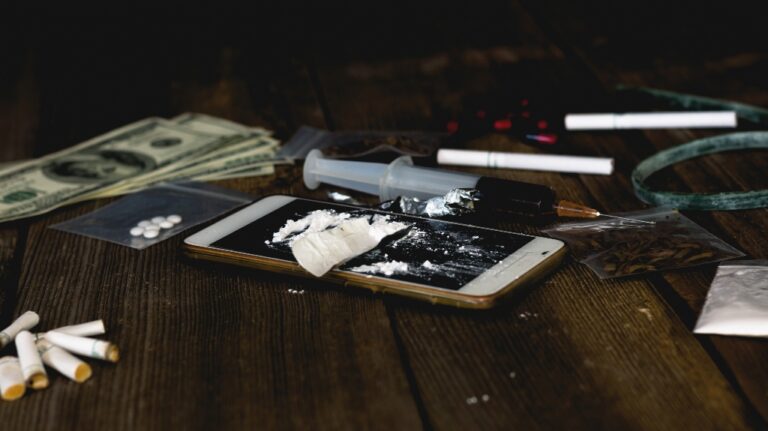

Drug Crimes Attorneys Columbia SC
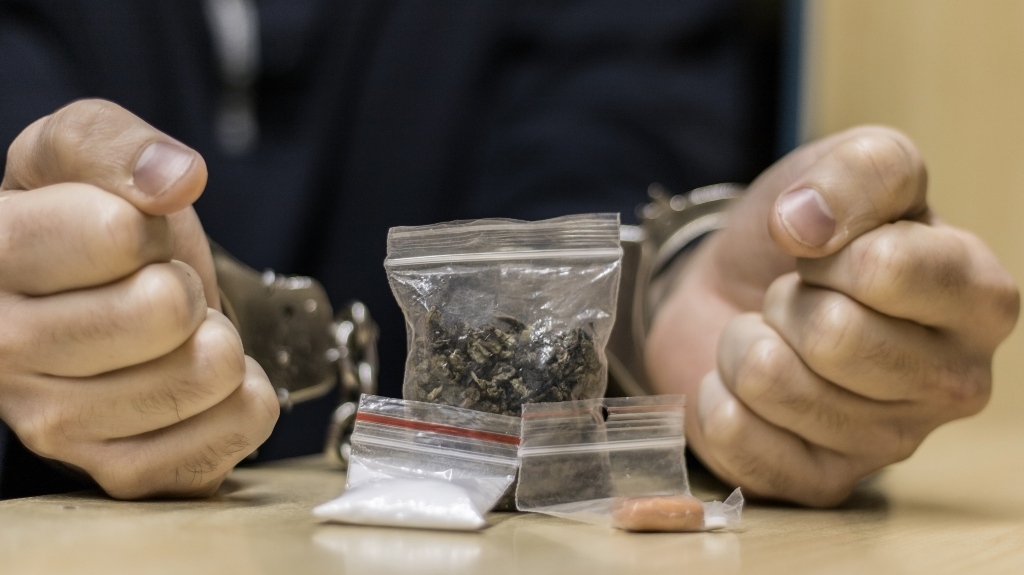
If you or a loved one find yourself charged with a crime involving drug possession or distribution, the Columbia drug crimes attorneys at Truslow & Truslow are here to help. Our attorneys have over fifty years of combined legal experience, and we know the grave consequences drug charges and convictions can carry. Our legal team has handled over 2,000 cases, and our firm maintains a 99% client satisfaction rating. Let our team get to work helping you today.
Every year, more and more individuals find themselves trapped within an unjust criminal justice system due to a drug arrest. For many, this leads to financial ruin and a substantial disruption in their daily lives. You and your loved ones deserve the most professional legal assistance when facing serious charges like possession or distribution of drugs.
It may feel as if the whole world is looking at you as if you are guilty, but that is not what we will do. We are here to do everything in our power to get you out of this situation. Contact an experienced Columbia drug crimes attorney of Truslow & Truslow at (803) 256-6726 to let us start building a strong and persuasive case on your behalf.
Read More Testimonials from our Clients!
Types of Drug Crimes
Those suspected of a drug crime face intense police scrutiny. Fortunately, your Miranda rights protect you from unfair police treatment. Despite these rights, without a trained Columbia drug crime attorney, you risk being taken advantage of or coerced into a confession you may later regret. You are especially susceptible to predatory police tactics without legal representation by your side.
There are three categories of drug offenses in South Carolina. The first category, possession, is the lowest form of drug crime and often the first offenses for possession are misdemeanors in South Carolina. There are two ways to prove possession in South Carolina. Actual possession is having the drug on you. Constructive possession means having “domain and control” over the drug. For example, if the police search your car and find the drug in your vehicle, this may be considered constructive possession. In order to prove constructive possession, however, the prosecutor is required to show beyond a reasonable doubt that the individual intended to possess the drug in question. It is also important to note that more than one person can maintain possession of the same drug.
The second category of drug offenses in South Carolina is those involving the manufacture, distribution, or possession with the intent to distribute. These offenses are felonies in South Carolina. To prove an offense in this category, the prosecutor has three techniques. These offenses can be inferred based upon the weight of the drug, the sale of the drug to another individual, or the packaging of the drug.
The final category of drug offenses is those involving the trafficking of drugs. Drug trafficking is the most serious level of drug offenses in South Carolina, and those convicted of drug trafficking will serve mandatory prison sentences. To prove a trafficking offense, the prosecutor needs only establish the weight of the drug.
In addition to the above categories of drug crimes, South Carolina utilizes five Schedules for classifying controlled substances. The most dangerous drugs are identified as “Schedule I”. Schedule I drugs are labeled as such because they have no recognized medical value and have higher instances of addiction and abuse than the other schedules. Schedules II, III, IV, and V decrease in dangerousness as you go down the list. The farther down the list you get, the less probability is for addiction and abuse. Also, a higher numbered Schedule corresponds with an increase in recognized medical uses.
Now that you understand the separate categories and schedules of drug offenses, you may be wondering what legal penalties these convictions carry. Some of the most common drugs and their corresponding penalties are as follows:
- Marijuana: Possession of marijuana can mean up to thirty days in jail and/or a fine of up to $1,000.00 for your first offense. Manufacturing, distributing, or possession with the intent to distribute can mean up to five years in prison and/or a fine of up to $5,000.00 for your first offense. Trafficking ten to one hundred pounds of marijuana will mean one to ten years in prison and a fine of up to $10,000.00 for your first offense.
- Cocaine: Possession of cocaine can mean up to three years in prison and/or a fine of up to $5,000.00 for your first offense. Manufacturing, distributing, or possession with the intent to distribute can mean up to fifteen years in prison and/or a fine of up to $25,000.00 for your first offense. Trafficking ten to twenty-eight grams of cocaine will mean three to ten years in prison and a fine of up to $25,000.00 for your first offense.
- Heroin: Possession of heroin can mean up to two years in prison and/or a fine of up to $5,000.00 for your first offense. Manufacturing, distributing, or possession with the intent to distribute can mean up to fifteen years in prison and/or a fine of up to $25,000.00 for your first offense. Trafficking four to fourteen grams of heroin will mean seven to twenty-five years in prison and a fine of up to $50,000.00 for your first offense.
- Methamphetamine: Possession of methamphetamine can mean up to three years in prison and/or a fine of up to $5,000.00 for your first offense. Manufacturing, distributing, or possession with the intent to distribute can mean up to fifteen years in prison and/or a fine of up to $25,000.00 for your first offense. Trafficking ten to twenty-eight grams of methamphetamine will mean three to ten years in prison and a fine of up to $25,000.00 for your first offense.
- Ecstasy: Possession of ecstasy can mean up to six months in jail and/or a fine of up to $1,000.00 for your first offense. Manufacturing, distributing, or possession with the intent to distribute can mean up to five years in prison and/or a fine of up to $5,000.00 for your first offense. Trafficking one hundred doses of ecstasy will mean three to ten years in prison and a fine of up to $20,000.00 for your first offense.
- LSD: Possession of LSD can mean up to two years in jail and/or a fine of up to $5,000.00 for your first offense. Manufacturing, distributing, or possession with the intent to distribute can mean up to fifteen years in prison and/or a fine of up to $25,000.00 for your first offense. Trafficking one hundred doses of LSD will mean three to ten years in prison and a fine of up to $20,000.00 for your first offense.
- Ephedrine: Possession of ephedrine can mean up to six months in jail and/or a fine of up to $1,000.00 for your first offense. Manufacturing, distributing, or possession with the intent to distribute can mean up to one year in jail and/or a fine of up to $1,000.00 for your first offense. Trafficking nine to twenty-eight grams of ephedrine will mean up to ten years in prison and a fine of up to $25,000.00 for your first offense.
The above drug offense information can be found in the South Carolina Code of Laws
You and your loved one face enormous financial and emotional pressure if the court finds you guilty of any one of these crimes. A professional Columbia drug crimes lawyer mitigates the damage and eases you through this difficult time in your life.
Defending Your Drug Charge
There are a number of steps a competent attorney can take in defending your drug charge. For example, if the drugs were found by the police illegally through an illegal search or seizure, a court could select order the evidence to be thrown out. Our attorneys will investigate how the police obtained their evidence and determine whether or not a dismissal of the case against you is possible.
Another step our attorneys often take in seeking dismissals or pleading down to lesser charges is to challenge test results. Typically, the State will hire a forensic expert to testify at trial, and this individual will need to prepare a report beforehand. In his or her testimony, the expert will identify the substance for the court. If there were mistakes made in the testing procedure, our attorneys would likely challenge the report on that basis. Furthermore, we can attempt to call the credentials of the expert into question as well to challenge their findings.
Another strategy our attorneys may use to seek a lesser charge or reduced sentence may be to present mitigating circumstances to the court. A skilled attorney will provide the court with your history and lack of prior convictions to get you as lenient a sentence as possible.
Why Do I Need an Attorney?
The War on Drugs has resulted in the harsh sentencing of countless innocent people. Drug crimes include a variety of charges pursued with unwarranted aggression by the police and criminal justice system. The grave consequences of a drug-related conviction include financial ruin and substantial livelihood disruption, but otherwise vary greatly depending on the types and amount of the drug in question. From cocaine to ecstasy, guilty verdicts carry substantial penalties and life-changing repercussions. You and your loved ones deserve the most professional legal assistance when facing these daunting charges.
Why Choose Truslow & Truslow?
At Truslow & Truslow, we understand the complexities of a drug-related criminal justice case. Throughout decades of living and practicing criminal defense in South Carolina, our experienced attorneys have gathered an array of skills that place us in a powerful position when defending you. If you are facing the possibility of long jail sentences and overwhelming fines, trust us to achieve the best possible result for your unique case.
Learn More About Personal Injury
Contact a Columbia Drug Crimes Attorney Today
If suspected of a drug crime, it is imperative that you contact a lawyer immediately. In addition to city police, state and federal law enforcement agencies may be involved in more serious drug-related crimes. If this is the case, the knowledge and expertise of a skilled Columbia drug crimes attorney can mean the difference between stiff prison sentences and a light or no punishment.
The lawyers at Truslow & Truslow understand the frightening nature of these crimes and the need for sensitivity when handling them. Contact us today at 803.256.6276 for a consultation with one of our empathetic legal representatives dedicated to defending you against drug-related charges.
Common Drug Crimes FAQs
The distinction is critical and determines the severity of charges. Simple Possession is having a controlled substance for personal use, typically a misdemeanor. Possession with Intent to Distribute (PWID) is a felony, charged when evidence (like scale, baggies, large quantity, large sum of cash) suggests you planned to sell it. Trafficking is the most serious felony, based solely on possessing a specific weight threshold of a drug (e.g., 10+ lbs of marijuana, 10+ grams of cocaine). Trafficking carries mandatory, severe prison sentences. We rigorously challenge the evidence used to elevate a charge beyond simple possession.
Yes, under the legal theory of “constructive possession.” The state must prove you knew the drugs were there and had the ability and intent to control them. This is a common area for defense. We challenge this by arguing you had no knowledge the drugs were present, they belonged to someone else, or you lacked exclusive control over the area (like a shared apartment or a borrowed car). Successfully disputing constructive possession can lead to dismissal.
The 4th Amendment protects against unreasonable searches and seizures. We file a Motion to Suppress evidence if the search was illegal. This can include: lack of probable cause for a traffic stop or arrest, an invalid search warrant, exceeding the scope of a consent search, or an unlawful inventory search of a vehicle. If the judge grants our motion, the illegally obtained evidence is thrown out, often causing the entire case to collapse.
South Carolina’s trafficking laws are among the harshest, with mandatory prison time that cannot be suspended or probated. For example:
– Marijuana (10-100 lbs): 1-10 years prison, up to $10,000 fine.
– Cocaine (10-28 grams): 3-10 years prison, up to $25,000 fine.
– Methamphetamine (10-28 grams): 3-10 years prison, up to $25,000 fine.
– Heroin (4-14 grams): 7-25 years prison, up to $50,000 fine.
Weight thresholds increase penalties dramatically. Our defense often focuses on challenging the weight measurement or negotiating a reduction to a non-trafficking charge.
For true first-time, simple possession offenses, pre-trial intervention (PTI) or diversion programs are often available. These allow you to complete probation, community service, or drug education in exchange for a case dismissal. Upon successful completion, you may be eligible for expungement, removing the arrest from your record. We aggressively advocate for our eligible clients to enter these programs, protecting their futures.
We attack the prosecution’s case on multiple fronts: challenging the chain of custody of the evidence, disputing the forensic lab analysis procedures, undermining informant credibility, and presenting alternative explanations for circumstantial evidence (e.g., large amounts of cash from a legitimate business). For trafficking, we scrutinize the weight measurement process, as crossing a threshold by even a fraction of a gram can mean years of extra prison time.
Related Articles
-
Juvenile Drug Charges in SC: How the System Treats Young Offenders
For many families, the first time they hear the phrase juvenile drug charge, it can be one of the most stressful moments they’ve experienced as a parent. Questions start piling up quickly. What happens now? Will my child have a record? How serious is this? How does the state’s system treat young offenders? Fortunately, there…
-
What Happens If Drugs Are Found in Your Car During a Traffic Stop
Most traffic stops end with a ticket or a warning. But if an officer finds drugs in your car, the situation can turn serious. In South Carolina, the consequences can escalate quickly if you have an illegal substance in your vehicle. What happens if drugs are found in your car during a traffic stop? Whether…
-
The 4 Factors for Defending a Drug Paraphernalia Charge
Getting charged with drug paraphernalia possession can be scary. If you are convicted, you could face fines, probation, or a criminal record. In turn, that can affect your job, schooling, and future opportunities. If you’re dealing with this situation, you might not know what to do next. Here is a look at the 4 factors…