
Open Container Charge Attorneys Columbia SC
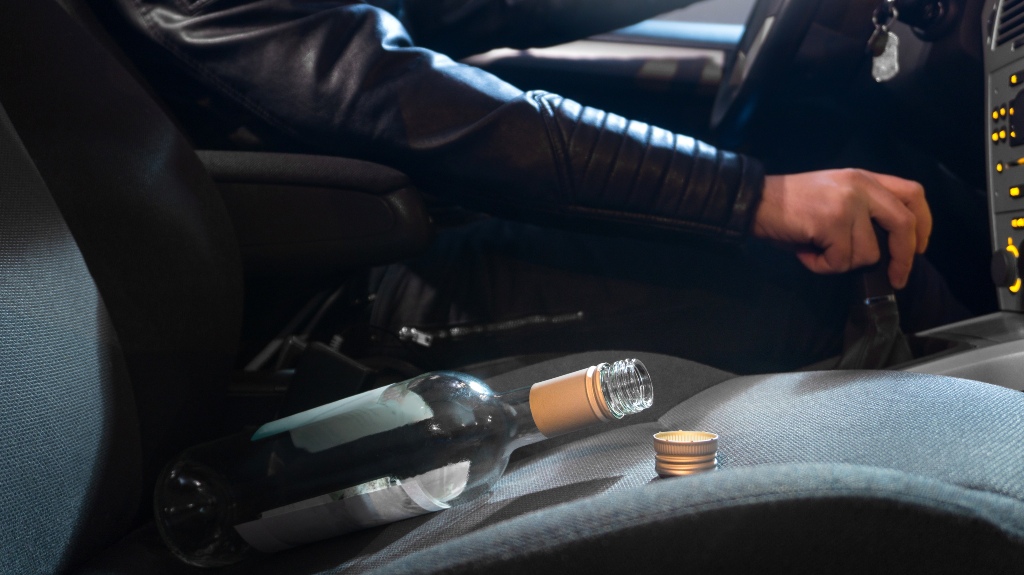
Open container laws act as a way for the state to maintain the quality of life for their residents, prevent public drunk and disorderly behaviors, and try to reduce the number of vehicular accidents caused by drunk drivers and passengers. Several South Carolina statutes outline the state’s open container laws. For example, it is illegal to possess an open container of beer or wine in any motor vehicle driving upon public highways or highway right of ways, unless the container is located in the trunk or luggage compartment of the vehicle. However, it is legal for a person age 21 or older to transport a closed container of alcohol, or an open container that is carried in the trunk or luggage compartment of the vehicle. These laws apply to alcoholic beverages, regardless of the percentage of alcohol per volume the beverage contains.
While these laws may seem simple on paper, their application can be much more complex in real-life situations. Police officers often have to make quick decisions during traffic stops, and mistakes or assumptions can lead to charges even when the driver or passenger did not intentionally break the law. This can cause many people to face open container charges, even though they believe they were acting responsibly.
Because of miscommunications and complicated circumstances, it is common for people to face open container charges they are not guilty of committing. Having an experienced Columbia DUI lawyer on your side could prove useful in combating these allegations, reducing consequences, or even getting the charges dropped completely. At Truslow & Truslow, we have experience defending open container cases, and we are dedicated to building a strong legal plan on behalf of our clients.
Understanding South Carolina Open Container Laws
South Carolina’s open container laws apply broadly to both drivers and passengers. This means that even if you are not consuming alcohol, having an open container in your vehicle in certain areas may result in charges. These laws are enforced on public highways, streets and roads that are accessible to the general public.
It’s important to note that open container laws don’t depend on DUI laws. You don’t have to be drunk to get charged with an open container violation. However, the presence of an open container often leads police to investigate further, and may increase the chances of other charges being made.
Read More Testimonials from our Clients!
Open Container Violation Penalties
An open container conviction carries with it some serious penalties and repercussions. If an officer pulls you over and sees what they claim is an open container, the ensuing consequences could include the following:
- Suspicion of drunk driving
- Sobriety tests
- Vehicle search
- A misdemeanor conviction
- Fines up to $100
- Up to 30 days in jail
It is also important to highlight that these laws make it illegal for passengers to have open containers. If a passenger is sipping or even holding an open alcoholic beverage, it could mean problems for both the passenger and the driver. Imagine you are going out for a night of fun with your friends. You agree to be the designated driver to ensure everyone gets home safe. You are aware of the open container laws in South Carolina, but a backseat passenger is not, and they open a beer to start drinking without you noticing. If you are pulled over, you as the driver with an open container in the vehicle could be ticketed with an open container violation.
What Is Considered an Open Container in South Carolina?
In the state of South Carolina, a container of alcohol is considered open when the original seal or cap has been opened or broken. If the bottles of alcohol are in a box, and that box is opened, for example, the law has not been broken, regardless of where the box is in the car. If the legal seal has been broken on the bottle of alcohol, you’d be allowed to transport it in the trunk or a separate trailer. You would not have to be carrying the containers in a completely inaccessible space, so long as it is distinctly separate from the cabin of the vehicle. If you are driving a taxi, Lyft, Uber, or similar rideshare service, it is illegal to transport an open container of alcohol for personal purposes, but if a passenger has an open container of alcohol on their person or in their luggage that you were not aware of, it is likely that you will not be charged, but they may be charged.
What Is the Cost of Violating Open Container Laws?
In South Carolina, you may be ticketed or may face more serious consequences. Some common consequences include:
- A fine of at most $100
- Jail time exceeding no more than a month
- Passengers of rideshare services face charges at six times the previously mentioned rates, for first-time offenses
An experienced attorney may be able to help you get the charges dropped or reduced, so make sure to contact a team that has experience handling cases like these today.
Why Choose Truslow & Truslow To Represent Me?
The father-son team of Truslow & Truslow has been serving the South Carolina community for close to ten years now. Douglas N. Truslow has over 40 years of experience on his own, and his time managing the Major Crimes Unit as Assistant Solicitor has given him the perspective you need as a citizen accused of a crime. He’s defended many people, from professional athletes and business owners to the everyday citizens of South Carolina. His son, Neal D. Truslow, joined him after completing his degree in 2009, having focused on litigation. With their combined 60+ years of experience and satisfied clients across the state, Truslow & Truslow have firmly established them as a go-to firm for people who are charged with a crime in South Carolina.
Learn More About Vehicular Manslaughter
Contact A Columbia DUI Lawyer
If you or a loved one was ticketed for an open container charge, contact a qualified Columbia open container charge attorney. At Truslow & Truslow, we know how frustrating it can be to have a ticket of this kind on your record inhibiting you financially.
Our attorneys can guide you through the complicated legal process and fight for justice in the courtroom. Contact our office at 803.256.6276 to discuss the details of your case.
Common Open Container Charge FAQs
Under SC Code § 61-4-110, a container is considered “open” if its original seal has been broken or removed, allowing access to the alcohol inside. This applies to beer, wine, and liquor. Crucially, the law is about the container’s condition, not whether someone was actively drinking from it. An unsealed bottle, can, or flask—even if it’s full or recapped—is legally an open container if transported improperly in a vehicle.
The only permissible locations are completely outside the passenger compartment. This means:
– In the trunk, or
– In a locked glove compartment (if your vehicle has no trunk), or
– In a separate, rear-mounted luggage compartment (like in an SUV or station wagon), provided it is not accessible from the inside.
If the container is anywhere else in the vehicle—including the front or back seats, floor, cup holders, door pockets, or an unlocked center console—it is a violation. Passengers are held to the same rule.
Yes. The law imposes strict liability on the driver for any open container in the passenger area, regardless of who opened it or whether the driver was aware. As the operator of the vehicle, you are responsible for ensuring no open containers are accessible to you or your passengers. This is a common and frustrating scenario we help clients defend against.
An open container violation is a misdemeanor criminal offense, not just a traffic ticket. Penalties can include:
– A fine of up to $100.
– Up to 30 days in jail.
– A permanent criminal record.
While jail time is less common for a first offense, the conviction itself can negatively impact employment, professional licensing, and insurance rates. For rideshare or taxi drivers, fines can be significantly higher.
A strong defense often challenges the basis of the charge itself. Common strategies we use include:
– Challenging the Traffic Stop: If the officer lacked a valid reason to pull you over, any evidence found afterward may be suppressed.
– Disputing “Accessibility”: Arguing the container was, in fact, stored in a legally permissible location (e.g., a closed rear cargo area with a partition).
– Questioning the “Open” Status: Investigating whether the container’s original seal was actually broken or if it was a mistake by the officer.
– Negotiating for a Reduction: Often, we can negotiate with the prosecutor to have the charge reduced to a non-criminal offense (like a simple equipment violation) to avoid a criminal record.
An open container charge itself does not carry points against your license. However, it frequently leads to a DUI investigation. The sight of an open container gives an officer probable cause to conduct field sobriety tests and request a breathalyzer. We work to isolate the open container charge from any potential DUI, preventing one allegation from strengthening the other.
Related Articles
-
Non-DUI Federal Crimes on Fort Jackson: What Makes Military Base Charges Different
Fort Jackson is located in Columbia, South Carolina. So, a criminal charge should work like those in the state? Not necessarily. The location of the alleged offense can affect which laws apply, which prosecutors handle the case, and which court your case is heard in. If you’re facing a non-DUI criminal allegation on Fort Jackson,…
-
Can You Get a DUI on a Bicycle or Scooter in South Carolina?
After a night out, you might know you’ve had too much to drink. You may want to make what seems like the responsible choice and leave your car. Instead of getting behind the wheel, you hop on your bicycle or electric scooter to get home. Since you are not driving a car, that means you…
-
Field Sobriety Tests in South Carolina: Are They Accurate and Can You Refuse Them?
Most people know what a test looks like. There are instructions, clear rules, and a passing score. Field sobriety tests can feel very different. With that, you are standing on the side of the road with flashing lights behind you. An officer asks you to walk heel-to-toe, stand on one leg, or follow an object…