

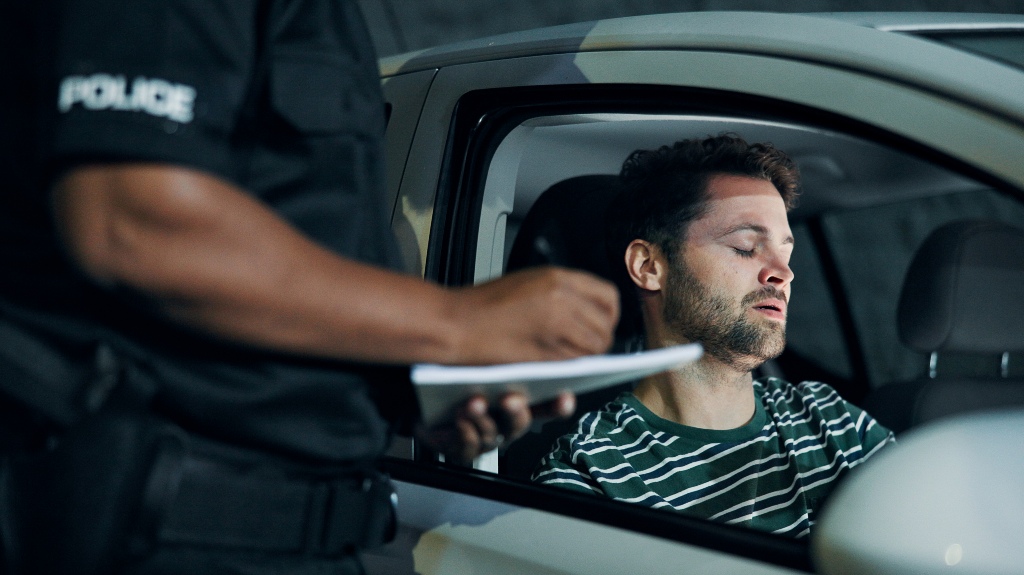
Seeing flashing blue lights behind you can be unsettling, even if you haven’t done anything wrong. In those first few moments, you need to know your rights as you are pulled over.
Remember that a traffic stop does not erase your constitutional protections. Yes, police officers have the authority to stop drivers for suspected traffic violations and to investigate potential crimes. But those powers are not unlimited. So, what are your rights during a traffic stop in South Carolina?
Here is what you need to know.
The Right to Know Why You Were Stopped
In most traffic stops, the officer will explain why they pulled you over. That could be for speeding, running a stop sign, a broken taillight, or another suspected violation.
An officer must have reasonable suspicion that a traffic violation or crime has occurred before making a traffic stop. A stop cannot be based only on a hunch.
The Right to Remain Silent
One of the most important rights you have during any interaction with law enforcement is your right against self-incrimination. After providing your driver’s license, registration, and proof of insurance, you could be asked questions. This can include:
- Where are you going
- Where have you been
- Whether you’ve consumed alcohol or drugs
While these questions may seem casual, your answers could become part of a criminal investigation.
You have the right to decline to answer questions that could incriminate you. You can calmly state that you do not wish to answer additional questions and that you would like to speak with an attorney if the situation becomes a criminal investigation.
The Right to Refuse Consent to a Vehicle Search
A police officer cannot automatically search every vehicle during a traffic stop. So, if an officer asks, “Do you mind if I search your vehicle?” you have the right to refuse consent under the Fourth Amendment.
Keep in mind that this does not end the interaction. If the officer has probable cause, a search may still be permitted without your permission. However, refusing consent does not give police the authority to search your vehicle.
If you choose not to consent, you want to state your decision clearly and politely. And you should never physically interfere with the officer.
The Right to Leave Once the Stop Is Over
A traffic stop should last only as long as reasonably necessary to address the reason for the stop. Once the officer has completed checking your license and registration and issued a warning or citation, you should not be detained any longer without additional legal justification.
If you’re unsure whether you’re free to go, you can politely ask, “Am I free to leave?” That question can help clarify whether the stop has concluded.
The Right to Decline Certain Requests
Police officers may ask for your consent to search your vehicle, inspect your belongings, or answer additional questions unrelated to the reason for the stop.
In many situations, you have the right to decline these voluntary requests. Remember that exercising that right is not an admission of guilt.
The Right to Legal Representation

If a traffic stop leads to an arrest or criminal charges, you have the right to speak with a criminal defense attorney.
Whether you’re facing DUI charges, drug offenses, or another criminal allegation, an experienced South Carolina criminal defense lawyer can explain your rights, evaluate whether the stop was lawful, and determine whether any constitutional violations occurred.
What If You Believe Your Rights Were Violated?
Not every traffic stop is conducted properly. If you believe an officer searched your vehicle without legal authority, prolonged the stop without justification, or violated your constitutional rights, you should never assume there’s nothing you can do.
The roadside is never the right place to argue with an officer. You want to comply with lawful instructions and discuss what happened with a criminal defense lawyer as soon as possible. Depending on the circumstances, any evidence collected during an unlawful stop or search may be challenged in court.
While every traffic stop is different, knowing your rights during a South Carolina traffic stop can help protect yourself in these situations. At Truslow & Truslow PA, we are here to help in these cases. Reach out to us today to schedule a consultation.